Enhance Your Outdoor Environment: Professional Landscaping Advice for a Beautiful Residential Garden
Turning an outdoor space into a beautiful residential landscape requires careful planning and deliberate action. By assessing the characteristics of a property, residents can define clear garden objectives. Selecting vegetation that suit the local climate is essential. Furthermore, integrating functional hardscaping elements enhances both visual appeal and practical function. Yet, the undertaking won't finish there. Finding ways to maintain beauty and sustainability can take any garden to greater heights. What approaches guarantee lasting results?
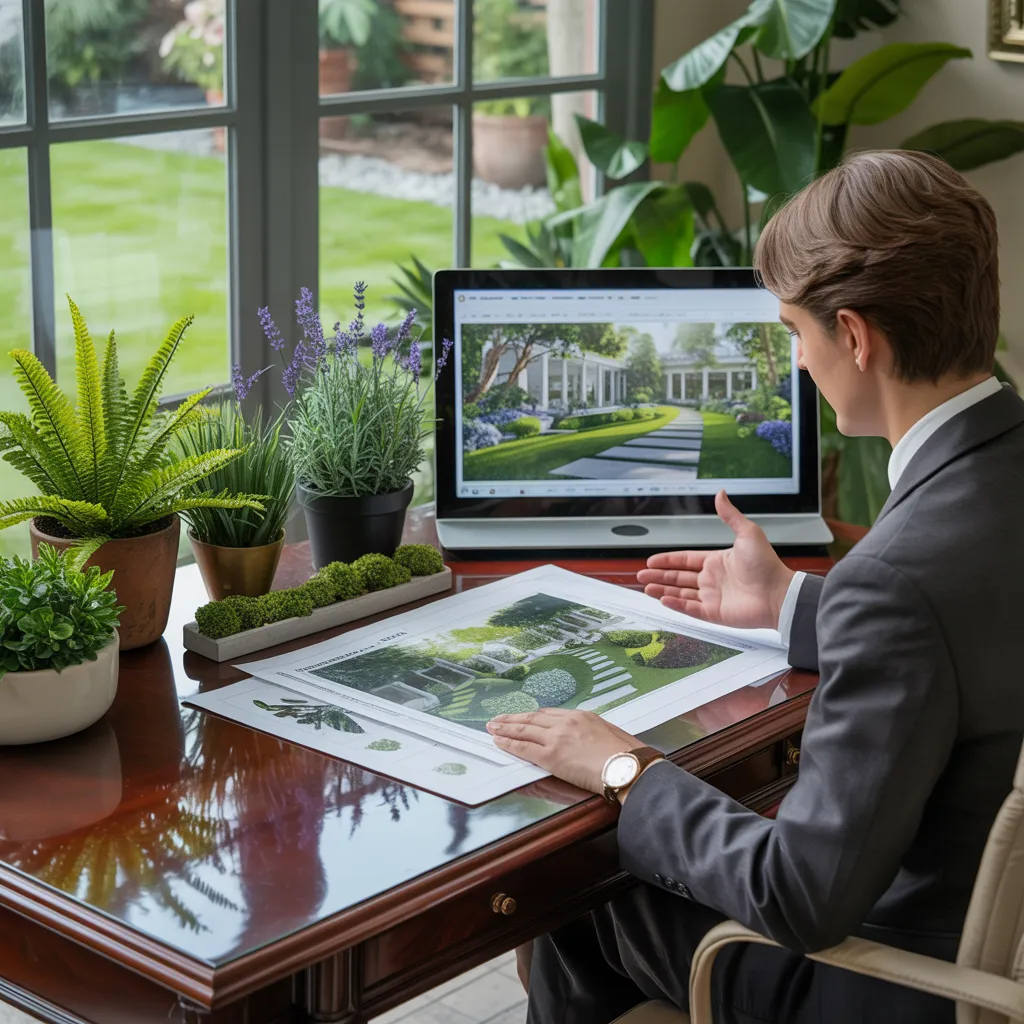
Assess Your Space to Define Your Landscaping Goals
Before beginning any garden work, it is essential for property owners to evaluate their exterior environment completely. This first assessment allows them to understand the unique characteristics of their yard, including light conditions, soil quality, and existing vegetation. Determining these factors helps in deciding which landscape features can be successfully incorporated into the area.
Homeowners should take measurements and document any barriers such as vegetation, fences, or pathways that may influence the design. Moreover, recognizing individual tastes and living requirements—such as entertainment spaces, gardening, or leisure—can direct the landscaping goals. By clearly defining these goals, homeowners establish a strong base for a cohesive and functional outdoor environment. This careful evaluation ultimately leads to a greater and more rewarding garden renovation, guaranteeing the exterior environment not just improves the home's aesthetic but additionally meets the practical needs of its residents.
Choose the Right Vegetation for Your Regional Conditions
Determining the right plants for a particular region is critical for establishing a thriving outdoor space. Understanding local weather patterns, such as heat levels, precipitation, and humidity, supports property owners select plants that will flourish. Native plants often adapt best, requiring less upkeep and irrigation. For instance, drought-resistant varieties are ideal for dry climates, while water-preferring plants thrive in humid climates.
Gardeners should further take into account climate shifts; selecting plants that provide year-round interest improves the garden. Spring-flowering plants, summer perennials, and colorful autumn leaves can develop a dynamic visual key resource experience. Additionally, speaking with local gardening centers or extension services can offer helpful information into hardy plant varieties suited to particular regions.
In the end, a strategically designed plant selection enhances not just visual appeal but additionally supports local wildlife and promotes ecological health, making it a wise choice for any outdoor space transformation.
Transform Your Garden With Functional Hardscaping Components
Functional hardscaping elements play an essential role in defining outdoor spaces and improving their functionality. By adding seating zones and well-designed pathways, homeowners can create welcoming spaces that encourage comfort and flow. Additionally, borders can help delineate different zones within the garden, creating organization and visual interest. components in defining outdoor spaces and boosting their practical value. By integrating sitting zones and well-designed pathways, homeowners can create appealing outdoor areas that encourage relaxation and movement. Additionally, borders can help delineate different zones within the garden, adding structure and visual interest.
Establish Your Garden Setting
Creating a carefully planned outdoor space can transform a garden into an welcoming sanctuary. One proven method to achieve this is through practical hardscape features, which create organization and layout. Pathways made from brick or stone guide guests while enhancing aesthetics. Support walls can create tiered levels, enhancing the garden's overall design and stopping soil loss. Fencing or trellises can mark borders, ensuring seclusion and a feeling of containment. Adding elevated planting areas not only defines planting areas but also makes them more accessible. These elements function together to create distinct zones that enhance both aesthetics and functionality. Ultimately, a well-defined outdoor space fosters a serene environment where homeowners can relax and enjoy nature.
Incorporate Seating Areas
Incorporating seating areas into an exterior environment greatly enhances its usability and attractiveness. By adding practical hardscape features, homeowners can establish welcoming areas for relaxation, socializing, or enjoying nature. Options include benches, patio sets, or hammocks, each contributing to the garden's aesthetic and coziness. Thoughtfully positioning chairs near focal points, such as flower beds or water features, encourages users to engage with their environment. Additionally, selecting materials such as wood or stone can match the landscape's style, ensuring a cohesive look. Shade structures, such as arbors or parasols, provide comfort during warmer months, ensuring these spaces are functional year-round. Ultimately, well-designed seating areas transform an ordinary garden into a pleasant sanctuary for loved ones and guests.
Add Pathways And Borders
Pathways and borders are vital elements in garden design, leading people through your garden while reinforcing its structural value. These generate arrangement and circulation, aiding in the definition of distinct areas and plant selections. Stone, gravel, or brick materials can build durable pathways, whereas natural borders from plants or decorative dividers increase aesthetic quality. Pathways can inspire exploration, highlighting focal points such as garden beds or water features. Well-designed borders minimize invasive plants and ground erosion, boosting garden strength. In summary, adding pathways and borders enhances usefulness and improves aesthetic quality to your exterior space, rendering areas more appealing and delightful.
Create Movement With Pathways and Sitting Spaces
A well-planned garden setting typically includes a balanced circulation established through deliberately situated walkways and rest zones. Walkways direct guests across the garden, providing a definite sense of orientation while enriching the general visual quality. Selecting options such as wood, stone, or gravel can add to the walkway's aesthetic value and ensure longevity.
Seating zones supply stopping places, welcoming people to rest and savor the setting. Placing seating thoughtfully near key features, such as a pond or a garden bed, inspires connection with the landscape. The type of seating—stools, benches, or even recliners—may shape the feeling, whether it be informal or elegant.
Blending pathways and seating zones creates an appealing atmosphere, improving practicality and satisfaction. Used together, they form a fluid movement across multiple regions of the garden, inspiring wandering and peace, finally converting any outdoor location into a serene hideaway.
Enrich Your Outdoor Space With Seasonal Shades and Character
To enhance the visual appeal of a garden, careful selection of seasonal plants is essential. Layering different textures can add depth and interest, while strategically placed focal points can draw the eye and create a cohesive design. These elements together guarantee a vibrant and dynamic outdoor space throughout the year.
Select Seasonal Plants with Care
Selecting season-appropriate plants wisely can turn your garden into a magnificent tapestry of colors and textures. By selecting plants with staggered bloom cycles, gardeners can maintain an endless succession of blooms. Spring-flowering specimens, summer color providers, autumn perennials, and winter evergreens each contribute unique hues and forms to the landscape. It is essential to take into account local climate conditions and soil types, as well as the plants' growth patterns. Native species often thrive better and require less maintenance, increasing biological diversity. Additionally, combining plants with varying heights and bloom times can create a dynamic visual effect. Ultimately, thoughtful selection fosters a landscape that evolves seasonally, delivering enjoyment throughout the entire year.
Establish Textured Layers To Generate Depth
Creating depth in a garden involves layering textures that complement and enhance seasonal color. By incorporating a variety of plants with differing foliage shapes, sizes, and colors, one can produce an engaging garden design. For instance, pairing wide-leaved plants with delicate grasses can create contrast and intrigue. Additionally, adding tree bark, rocks, and organic elements adds sensory touches that improve the complete landscape. Flowering plants need to be thoughtfully placed to provide bursts of color throughout the year, guaranteeing continued visual appeal. This careful design not only draws the eye across the garden but also creates an engaging environment where each element adds to the garden's overall beauty and balance.
Establish Design Elements Strategically
Purposefully integrating focal points can markedly enhance a garden's aesthetic quality and seasonal richness. These focal points provide anchors that attract the gaze and foster landscape unity. Gardeners can utilize elements such as sculptures, ornamental trees, or vibrant flower beds to establish visual interest. Seasonal blooms can be introduced via the selective planting of plants with alternating bloom cycles, ensuring that the garden remains dynamic throughout the year. Surface textures also play a significant role; blending flat stone surfaces with uneven bark or thick plant life establishes depth. By thoughtfully placing these elements, a gardener can build a friendly environment that sparks discovery and gratification, reshaping outdoor grounds into a fascinating hideaway.
Adopt Eco-Friendly Methods for a Vibrant Garden
Embracing environmentally-conscious approaches is essential for developing a flourishing garden that performs well in balance with the ecosystem. Plant growers are advised to employ native plants, which necessitate lower moisture and upkeep while supporting local wildlife. Applying sustainable cultivation practices, such as organic waste conversion and biological insect management, can significantly cut pesticide use, fostering a improved biological community
Moisture-conserving techniques, including precision irrigation and rain capture, improve environmental responsibility by optimizing resource management. Mulch application retains soil water while also controls weed growth, minimizing the necessity for synthetic herbicides. Moreover, supporting biodiversity by incorporating a variety of plants promotes durability to pests along with infections.
Soil quality is important; strategies such as rotating crops and cover cropping maintain soil nutrients excluding synthetic nutrients. By utilizing these sustainable strategies, plant growers can create a flourishing space that fosters plant life and ecological balance, producing a more rewarding horticultural experience.
Manage Frequent Challenges for Year-Round Landscape Beauty
A well-maintained outdoor space can experience numerous challenges throughout the year, affecting its general beauty along with well-being. Frequent challenges include pest infestations, lacking minerals, along with insufficient water. Identifying pests in advance is essential; horticulturists should regularly examine plant parts for damage indicators along with manage pest issues with organic pesticides alternatively bringing in helpful insects.
Nutrient shortages often show as yellow foliage and reduced growth. Running soil analysis can allow identify specific necessities, permitting to enable strategic fertilization Nutrient deficiencies often manifest as yellow foliage as well as reduced growth. Conducting soil tests can allow establish specific demands, enabling targeted fertilizer use returning balance. Also, maintaining appropriate watering is crucial; too much water can result in root rot, whereas under-irrigation challenges vegetation.
Changes in seasons furthermore necessitate changes in care. During winter, mulch application shields root systems against ice, whereas the summer season might necessitate increased watering and shaded areas to protect sensitive plants. By handling such common issues promptly
Can I Execute Landscape Projects Myself or Bring in a Landscaper?
You can easily handle landscaping projects solo, leveraging digital tools and your creativity. Yet, engaging an expert provides skill, speed, and better outcomes, particularly for complex designs or extensive work that need advanced techniques.
What Equipment Do You Should Have for Yard Landscaping?
Essential tools for home garden work consist of a garden rake, garden shovel, garden spade, hedge shears, fork, and a garden hose or watering can. These items support in productively managing ground, vegetation, and comprehensive garden care, guaranteeing effective landscaping.
What Strategies Should I Apply to Keep My Garden Area Throughout the Year?
If you want to keep a yard throughout the year, regularly cutting back greenery is important, adding wood mulch for protection is important, tracking soil moisture is vital, and implementing seasonal planting approaches is advisable. Also, pest prevention and feeding are necessary for vibrant, healthy growth.